
Menu








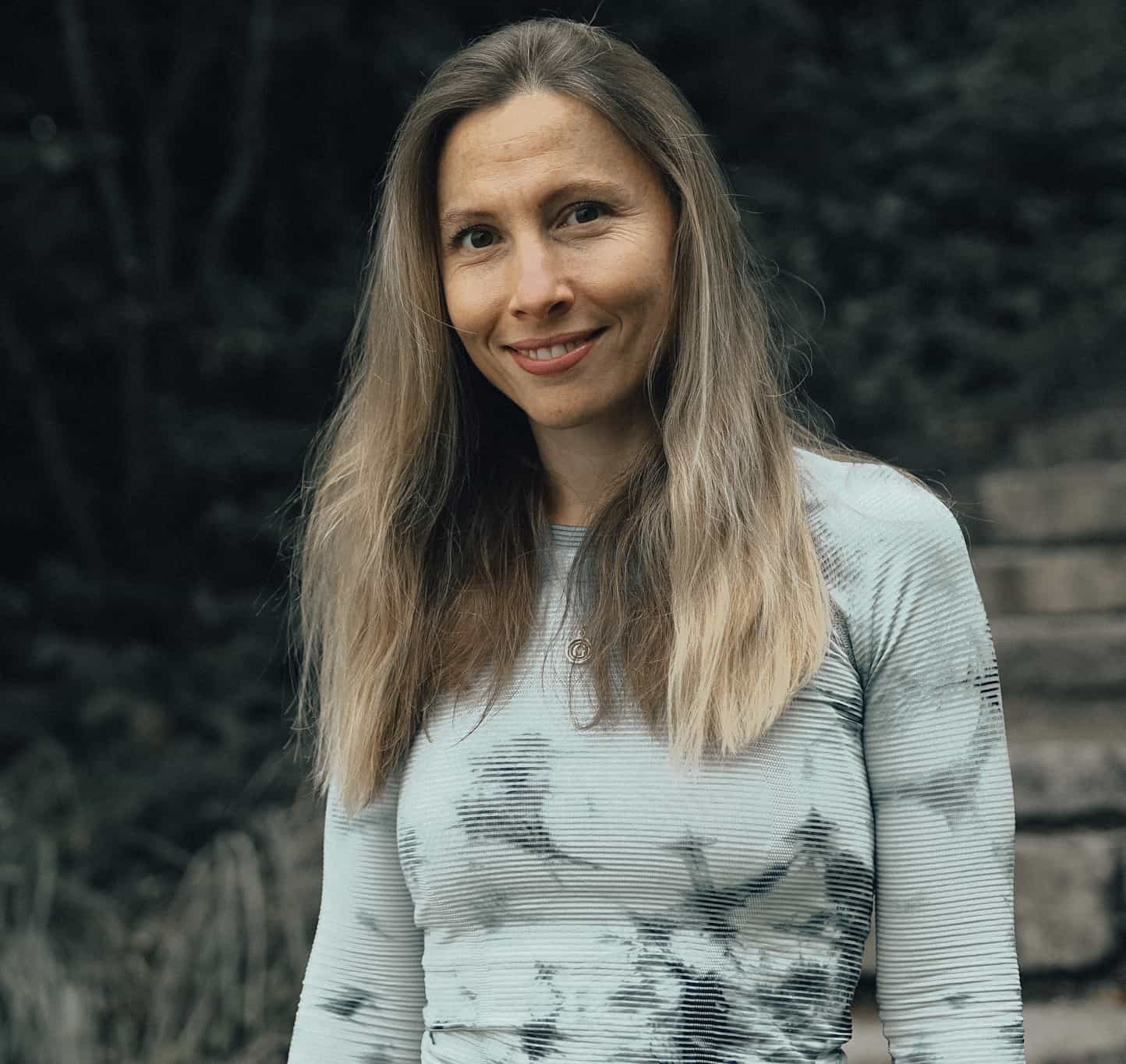
I help people who are healing from existing trauma improve their relationship with movement and reach their fitness goals. By listening to you and understanding your individual needs, we can work together to turn exercise into a safe, sustainable, and joyful experience.
Over and over again, we ignore important signals our bodies send us by overtraining and enduring pain – often leading to injury, difficulty keeping up a routine, shame cycles, and even trauma responses like dissociation and fear.
With trauma-informed personal training, you can unlock so much more potential by doing so much less. As your guide, I will provide you with the tools to heighten your body awareness, learn to self-regulate, understand what your body actually needs to reach your desired fitness goals safely, and most importantly, reframe exercise to feel GOOD!

We’ll connect over Zoom to talk about your goals, past experiences with movement, and what has made consistency difficult in the past.
We’ll cover what you want from your training, movements you enjoy (and don’t), relevant medical or lived experiences that help keep our work safe, and the level of guidance you need right now.
This conversation helps us determine if we’re a good fit and what kind of support will serve you best.

Together, we’ll explore how your body moves — without forcing or fixing.
You’ll be guided through a few simple movements so I can understand your natural patterns, mobility, flexibility, and how your body responds to effort and pacing.
From there, I’ll create an initial training framework tailored to you.
This is not rigid — we can adjust in real time if something doesn’t feel right.
Your body’s feedback always comes first.

This is a fluid, personalized process.
You’ll choose the level of support that fits you best — from highly guided sessions to independent practice with expert oversight.
Your needs will evolve over time, especially as your body builds trust and capacity. That’s expected.
Depending on your support level, this may include:
This work isn’t about pushing through or following a fixed plan.
It’s about building a sustainable relationship with movement — one you can trust.